

By David A. Freel © David A. Freel, Ashley Creek Publishing, LLC — January 19, 2026
The Long Road Home
Sergeant Timothy Jones completed his tour in Vietnam in late October 1974, just six months before the fall of Saigon in April 1975. He had arrived as a replacement in a unit already at war, and now he was returning to the United States—alone—leaving behind those with whom he had served over the preceding year.
Unlike today or in previous conflicts, where units deploy and return together, Vietnam-era Soldiers rotated home individually after “punching their ticket.” This left many to reintegrate on their own. Compounded by the public’s growing opposition to the war, the welcome home was often indifferent—or hostile.
Processing at Clark Air Force Base
After leaving the “Nam,” Tim found himself at Clark Air Force Base in the Philippines for post-deployment processing. He was a few days from assignment to a flight back to the States. The base was crowded with more servicemembers waiting to go home than in prior years, as the redeployment from Vietnam accelerated.
Finally, Tim received his paperwork: leave approved and new assignment orders to report to the replacement detachment at Fort Sill by December 3. He looked forward to time with family in Michigan—deer hunting with his dad and brothers, a real Thanksgiving supper, and most of all, decompressing from the intensity of Vietnam.
The C-141 Flight: Cramped and Cold
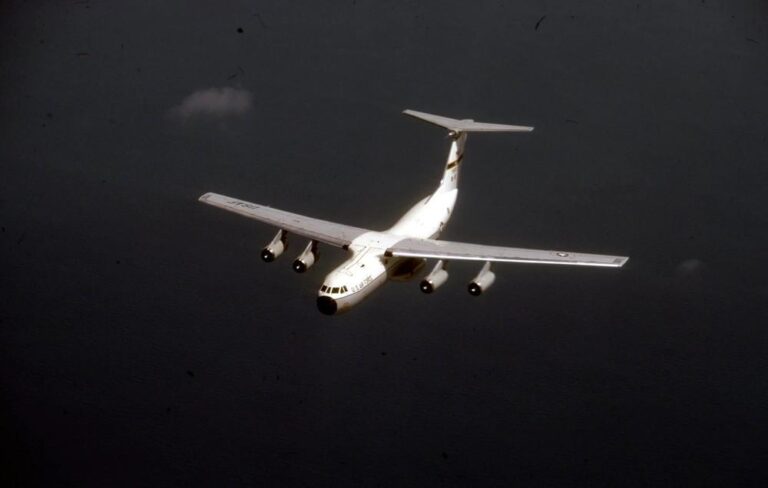
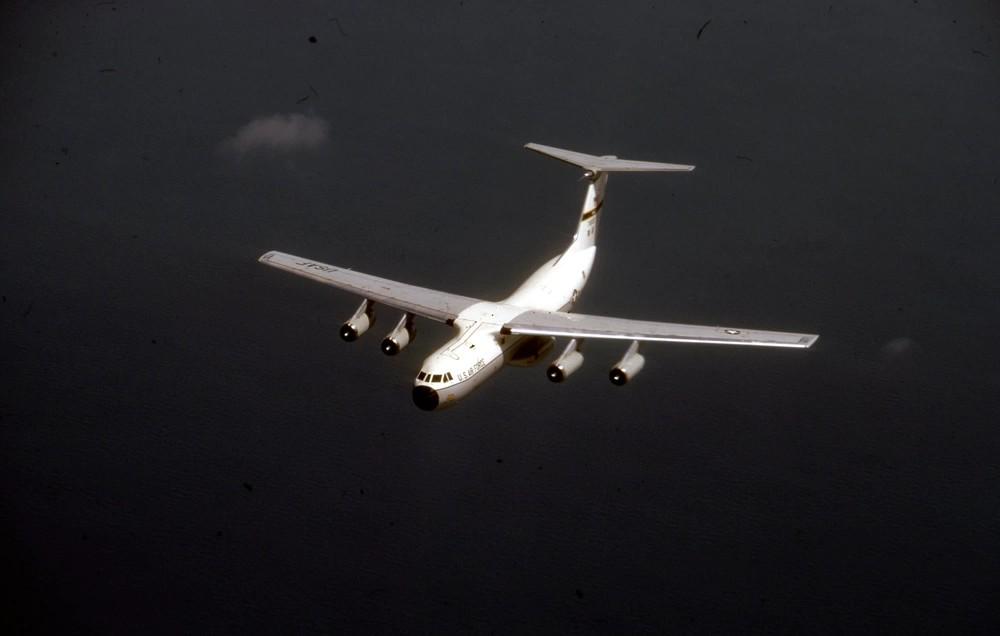
On November 5, Tim boarded a Military Airlift Command C-141 Starlifter—a jet cargo plane. He was relieved it wasn’t another C-130 Hercules like the one that carried him out of Vietnam to the Philippines.
But the relief was short-lived. The Starlifter offered only marginal improvement.
Tim and other lower-ranking enlisted sat in awkward mesh jump seats along the fuselage walls. Cargo pallets strapped to the floor forced knees up, and the hard metal bar of the seat dug into thighs, causing legs to fall asleep. The good news? A tight seat belt harness held him upright and allowed occasional naps.
Higher-ranking officers and enlisted enjoyed seats more like those on an airliner—though still cramped and facing backward, a standard MAC configuration.
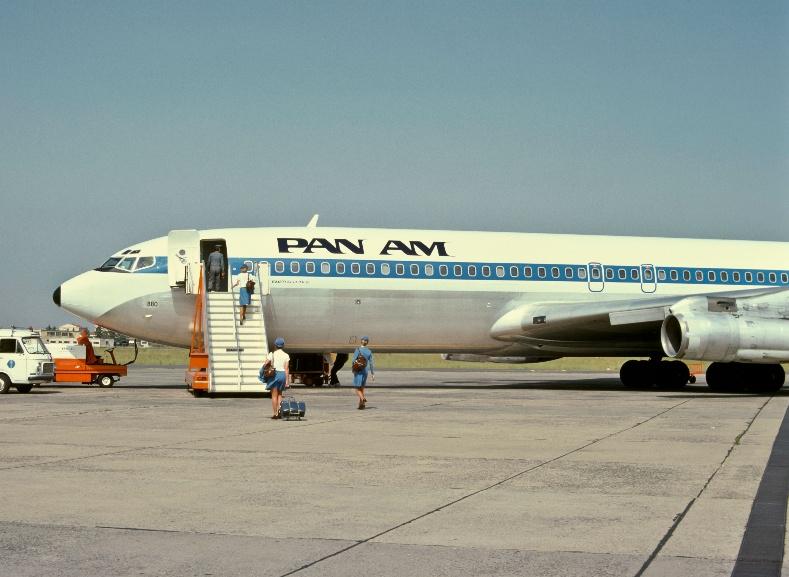
Tim knew acquaintances at Clark who scored flights on Pan American World Airways 707s—real airplanes with stewardesses and hot meals. True “freedom birds” after a year of hell.
As the loadmaster yelled to buckle in, the smell of JP-8 fuel filled the cabin. The rear cargo door closed, engines roared, and the plane taxied. Finally in motion, Tim was simply glad to be heading home—C-141 or not. Next stop: Travis Air Force Base, California.

WeatherTech CupFone
Buying products using the links in this website provides the support we need to keep providing you with great content. Thank you!
Credit Patti McConville/Alamay
Arrival in the States: A Stark Contrast
The long flight ended at Travis. Two hundred passengers endured cramped conditions, a cold boxed lunch (fried chicken, dry sandwich, apple, chips, Coke), a failing lavatory, deafening noise, and bone-chilling cold.
Tim eyed a Pan Am 707 that had landed just before them, still unloading passengers who had enjoyed far more comfort. Still, he was thrilled to be back on U.S. soil.
After three days of processing and medical screening at Travis, Tim watched the charge of quarters sign his leave form. Freedom at last!
A panel van driven by an off-duty Airman First Class shuttled ten Soldiers (and their duffle bags) to San Francisco International Airport for $5 each—a clever side hustle, Tim thought to himself. The government bus to the airport had already left that day; waiting another day wasn’t an option.
At SFO, Tim quickly changed into civvies before checking his duffle bag. The stares and comments in uniform had been grating.
Homecoming—and the Unease
Tim savored time with family. He bagged a nice 12-point buck on opening day of deer season, and Thanksgiving was everything he hoped for.
But something was off. Sleepless nights, nightmares, anxiety in crowds—he was constantly on edge. High school friends with college deferments were cruel when he encountered them. Tim didn’t know it then, but these feelings would linger for decades.
Home no longer felt like home. He was ready for Fort Sill, where others would understand.
The Final Leg to Fort Sill
On December 1, Tim’s dad drove him to Detroit Metro Airport. His Government SATO ticket booked a direct Braniff Airways flight to the Dallas–Fort Worth International Airport (DFW).
He left early, eager to return to Army life. That proved wise: His connecting flight to Lawton (serving Fort Sill) was overbooked. He spent the night on uncomfortable airport chairs, enduring insults from passersby who spotted his duffle bag.
The next day, Frontier Airlines was oversold again. Another long night in the terminal. Tim wasn’t seeking gratitude—just peace.
Years earlier, returning Soldiers traveled by train or bus; iconic images of reunions in stations were still fresh for older Americans. Vietnam vets experienced something different.
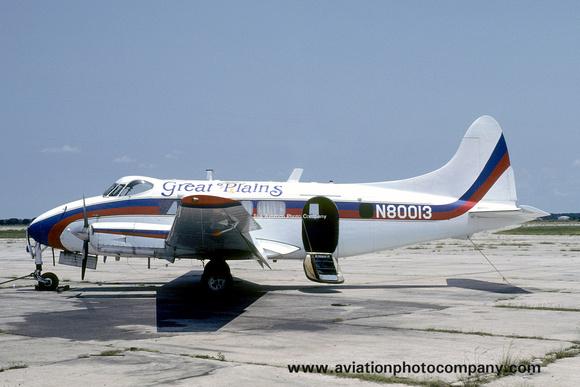
Photo Company.
Desperate not to go AWOL, Tim spotted a morning flight on an unfamiliar airline: Great Plains Airlines. They had seats. He bought the ticket out of pocket.
The small commuter plane carried only eight passengers plus pilots—no stewardess, no frills. It landed safely in Lawton, and Tim reported to the replacement detachment at Fort Sill on time. Relief washed over him.
A New Chapter
A cannon cocker (field artilleryman) by trade, Tim was assigned as an instructor at the Field Artillery School. He soon received promotion orders to Staff Sergeant.
Fort Sill and Lawton—a military town—offered the support he needed. Training young Soldiers felt rewarding; he was making a difference.
In 1976, he met the love of his life, Norma. They married later that year and raised a family while moving with the Army.
The war in Southeast Asia ended in April 1975. The baggage Tim carried faded over the following decade but never fully disappeared. He rarely returned to Michigan.
Tim retired as a Command Sergeant Major in 1991. He and Norma settled in Lawton, Oklahoma, where they still live today.
Author’s Note: Tim’s character and story are fictional. Many of the experiences described are based on a compilation of those I and others encountered during our time in service.
Photo Credits Historical context images: The C-141 Starlifter is public domain via U.S. government sources DVIDS / defense.gov. The Pan Am 707 Credit Patti McConville/Alamay and is used with permission/license. The Great Plains Airlines DeHavilland Dove shown in 1977, © The Aviation Photo Company, is used in this blog post by permission obtained through The Aviation Photo Company.
Disclaimer Advertisements may appear in this article or on the Ashley Creek Publishing website. This is not necessarily an endorsement of any product or service by the author or Ashley Creek Publishing, LLC.
