By David A. Freel © David A. Freel, Ashley Creek Publishing, LLC – March 14, 2026
I will date myself: shortcuts to reading actual books began in 1958 with CliffsNotes, succinct study guides many high schoolers used to avoid the classics. Even now, the paperback pamphlets my generation and earlier relied on have largely given way to artificial intelligence for summarizing literary works.
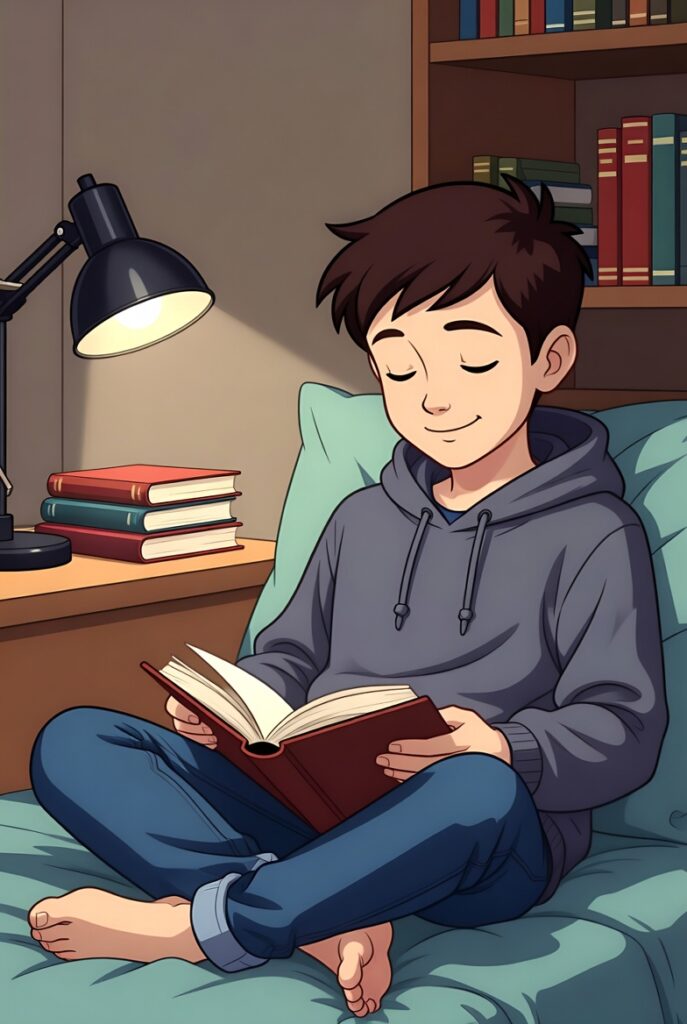
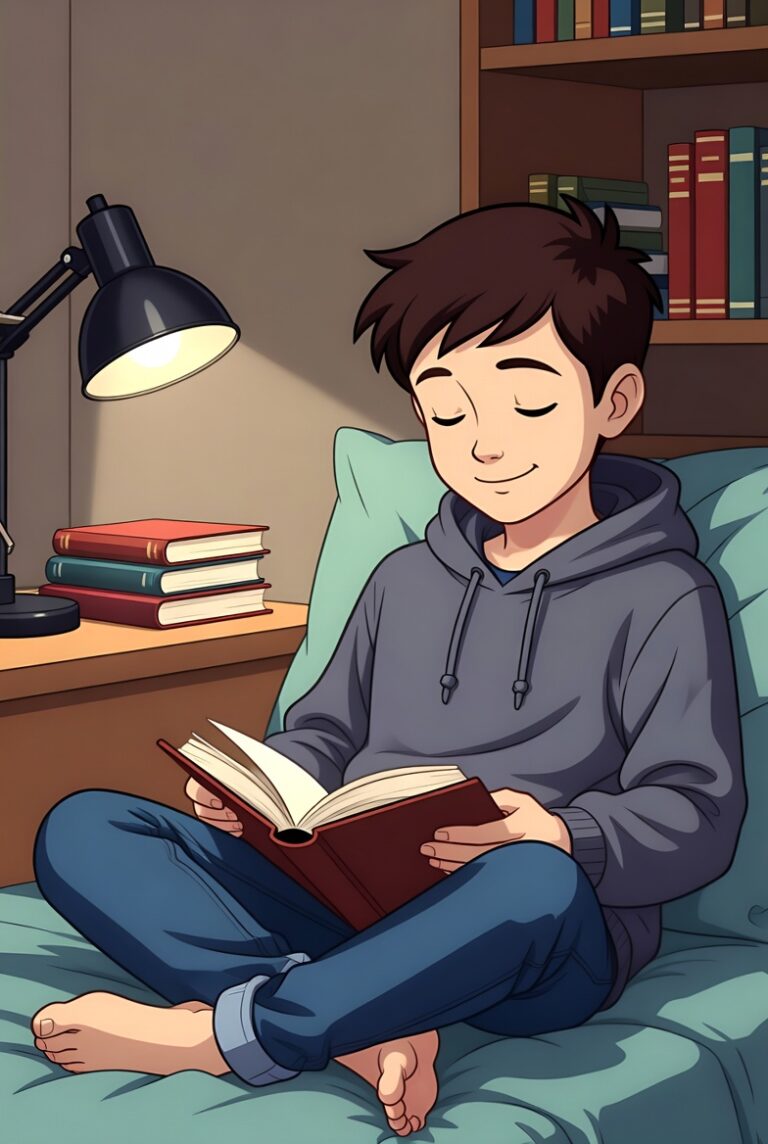
What these “time-savers” miss, however, are the deeper lessons beyond a book’s content—whether fiction or nonfiction. The subliminal benefits of improving your vocabulary, grammar, syntax, punctuation, spelling and the quiet sense of accomplishment that comes from closing a good book after finishing it are irreplaceable.
As parents, grandparents, leaders, coaches, and mentors, we need to reintroduce real books to young people—books they will actually read and that will make their lives better. The format—hardcover, paperback, or even digital—matters less than the act of reading itself.
Here are three timeless books I believe every young adult should read:
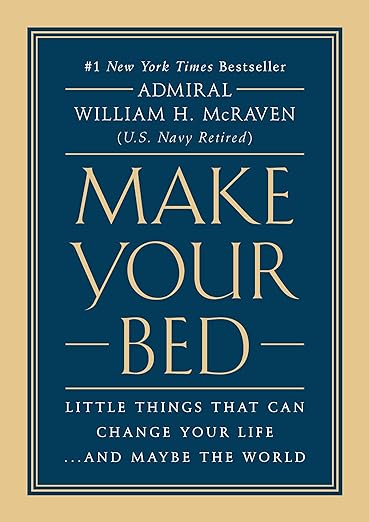
1. Make Your Bed by Admiral William H. McRaven This book grew out of a powerful 2014 commencement address McRaven delivered at the University of Texas, his alma mater. In it, he shares ten simple truths he learned during Navy SEAL training. While not everyone will become a SEAL, these lessons apply to every walk of life and circumstance. They form a practical toolkit for tackling challenges we all face.
In my view, Make Your Bed is essential reading for every young adult. It’s an easy, inspiring read you can finish in a Saturday afternoon. I recommend it as required reading for freshmen or sophomores in high school—a perfect first addition to a personal library.
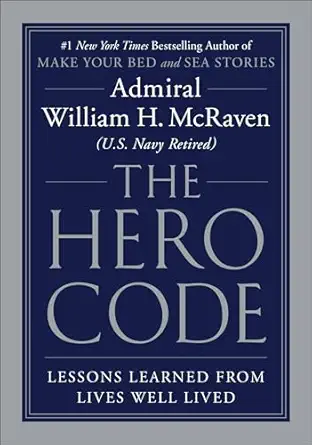
2. The Hero Code by Admiral William H. McRaven Once again, McRaven draws from his military service to explore human experience. The problems, lessons, and conclusions he presents are not unique to the military—they serve as powerful parables for anyone facing hardship or triumph. He reinforces a central truth: there is a hero within each of us capable of changing the world.
This too is a short, impactful read that can be finished in a day or two. It makes an excellent second book for a growing library. If I were to time its reading, I would suggest senior year of high school.
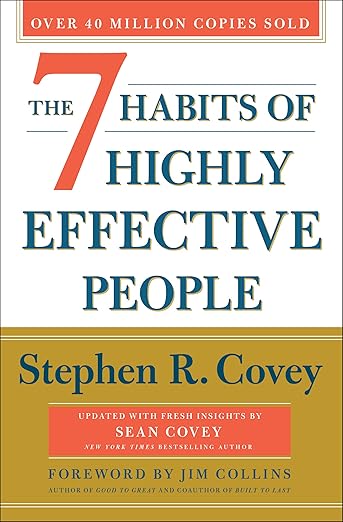
3. The 7 Habits of Highly Effective People by Stephen R. Covey Covey examines the traits and habits of the most successful people and distills them into a framework anyone can apply. Widely regarded as one of the most influential self-development books in history, it offers far more depth than the overviews in McRaven’s works.
This is not a quick read—it requires focus and commitment to fully absorb. I believe it is most valuable for college sophomores or those with a couple of years in the workforce. After finishing, place it on the shelf and reread it three to five years later as a progress check.
Buying products using the links in this website provides the support we need to keep providing you with great content. Thank you!
Each of these books delivers timeless messages. It doesn’t matter whether a young adult heads straight into the workforce, trade school, the military, or college after high school. Not every reader will be ready to receive the guidance at a given age, but over time, the life skills in these pages will serve as reflection points when life throws curveballs—helping them say, “Yeah, I’ve got this.”
Finishing a book is its own reward—an accomplishment that encourages picking up the next one instead of scrolling social media or gaming. The latter aren’t inherently bad in moderation, but neither will prepare young adults for what lies ahead.
Reading actual books is widely recognized as a key differentiator for high achievers. It builds cognitive skills, empathy, focus, and stress reduction in ways summaries and shortcuts cannot replicate.
There are many worthy books, but these three are foundational. Buy them for a young adult in your life. They represent the crawl, walk, run steps toward adulthood and success. Encourage them to read each one—and then reread them a couple of years later to see how the messages have woven into their own experiences.
If you’re not in a position to purchase the books, share this review and encourage them to acquire copies themselves. I recommend hardcover editions to help build a personal library, but any format—paperback, digital, or audio—is far better than none.
References [i] McRaven, W. H. (2017). Make Your Bed: Little Things That Can Change Your Life…and Maybe the World. New York: Grand Central Publishing. [ii] McRaven, W. H. (2021). The Hero Code: Lessons Learned from Lives Well Lived. New York: Grand Central Publishing. [iii] Covey, S. R. (2013). The 7 Habits of Highly Effective People: Powerful Lessons in Personal Change. New York: Simon & Schuster.
