In 2019, my father—born in 1935 and too young to serve in World War II—invited my older brother and me to join him in Normandy for the 75th anniversary of D-Day. He still vividly recalls the war through newsreels at the local theater and radio broadcasts. I agreed, but only if my wife, Rhonda (an Army combat veteran like me), could come too.
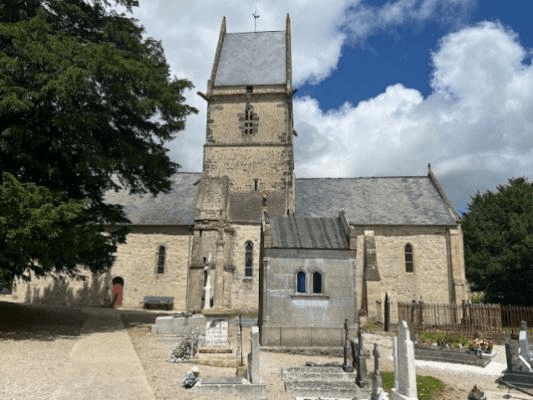
We anticipated emotional moments at the beaches, and the American and British cemeteries—and we were deeply moved. Yet the most profound surprise came at a quiet stop in Angoville-au-Plain, France: a humble 12th-century church named Saint-Côme-et-Saint-Damien. Inside its walls unfolded the extraordinary story of two young paratrooper medics whose courage and humanity shone amid the chaos of D-Day.
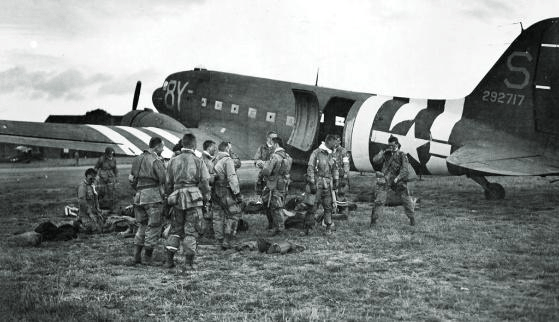
Photograph public domain U.S. Army photo via DVIDS / defense.gov
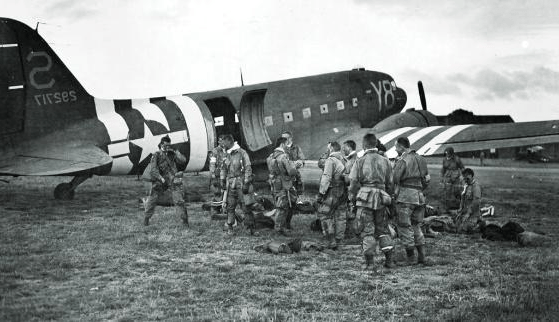
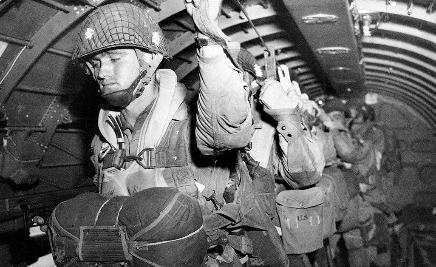
The Fog of War On June 6, 1944, imagine being 19 years old, stepping into a C-47 Skytrain in the pre-dawn darkness, bound for occupied France. You’re a paratrooper with the 2nd Battalion, 501st Parachute Infantry Regiment, 101st Airborne Division—your first combat experience ahead. Your unit’s mission: drop behind enemy lines, seize key ground, disrupt German defenses, and hold until the beach landings could link up.
Photograph public domain U.S. Army photo via DVIDS / defense.gov
The 101st and other airborne forces jumped with only what they could carry: small arms, limited ammunition, and minimal supplies. Scattered by wind, flak, and navigational errors, soldiers landed alone or in small groups, reforming ad hoc units amid the night’s confusion. Hedge rows and farmhouses offered perfect cover for German defenders. Casualties mounted quickly from gunfire, hard landings, and close-quarters fighting.
Amid this pandemonium, a casualty collection point was desperately needed.
Buying products using the links in this website provides the support we need to keep providing you with great content. Thank you!
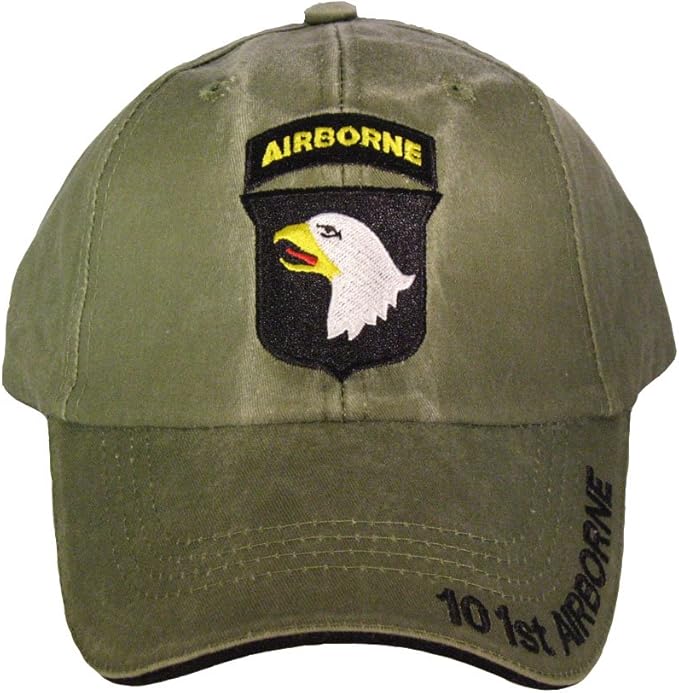
Armed Forces Depot 101st Airborne Division Cap. OD Green
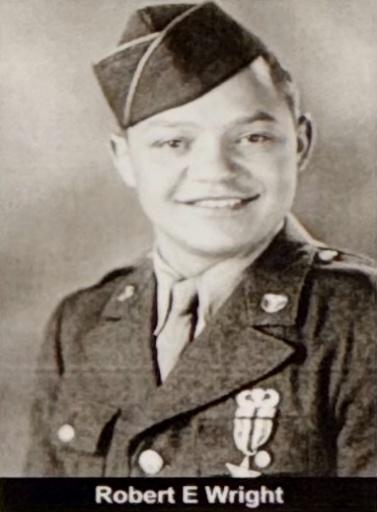
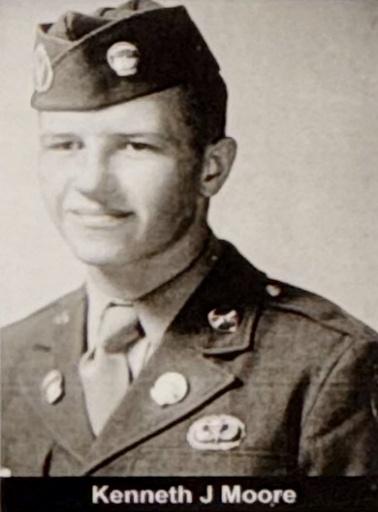
The Wounded Need Care Lieutenant Edward Allworth tasked Privates Kenneth Moore and Robert Wright—both inexperienced medics—with establishing an aid station in the Saint-Côme-et-Saint-Damien Church in the small hamlet of Angoville-au-Plain, about 10 miles inland from the Utah Beach landings.
Left alone after Allworth returned to his troops, the two 19-year-olds operated independently. They had only basic training, the supplies they jumped with, and whatever they could improvise (rags became bandages when stocks ran low). Heavy fighting soon filled the church with wounded from both sides.
The Wounded Need Care Lieutenant Edward Allworth tasked Privates Kenneth Moore and Robert Wright—both inexperienced medics—with establishing an aid station in the Saint-Côme-et-Saint-Damien Church in the small hamlet of Angoville-au-Plain, about 10 miles inland from the Utah Beach landings.
Left alone after Allworth returned to his troops, the two 19-year-olds operated independently. They had only basic training, the supplies they jumped with, and whatever they could improvise (rags became bandages when stocks ran low). Heavy fighting soon filled the church with wounded from both sides.
Saint-Côme-et-Saint-Damien Church Angoville-au-Plain Normandy, France
A small unit of 101st combat engineers initially defended the area, but a fierce German counterattack forced them to withdraw, dropping their injured at the church door. When a German officer entered to inspect, he found Americans and Germans receiving equal care, weapons left outside as the medics insisted. Satisfied, he and his men departed, leaving the neutral sanctuary intact.
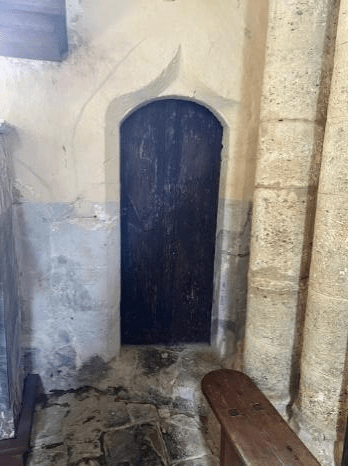
An Unexpected Surprise Two German scout-snipers had hidden in the church bell tower since the initial American drop. After two days—hungry, exhausted, and fearing discovery—they descended and surrendered to Moore and Wright. The surprised medics quickly put them to work collecting weapons and carrying litters.
Saint-Côme-et-Saint-Damien Church Angoville-au-Plain Normandy, France
A small unit of 101st combat engineers initially defended the area, but a fierce German counterattack forced them to withdraw, dropping their injured at the church door. When a German officer entered to inspect, he found Americans and Germans receiving equal care, weapons left outside as the medics insisted. Satisfied, he and his men departed, leaving the neutral sanctuary intact.
Through this door in the chapel and up The stairs were two German snipers hiding in the bell tower
Difficult Decisions and Resiliency With the church now a protected haven, Moore and Wright triaged the wounded: minor cases waited outside in shade; urgent ones came inside; the mortally wounded received morphine comfort behind the altar. A makeshift morgue formed outside.
At just 19, these young men made life-and-death calls. By evening, they had treated over 75 casualties. They worked nonstop for three grueling days.
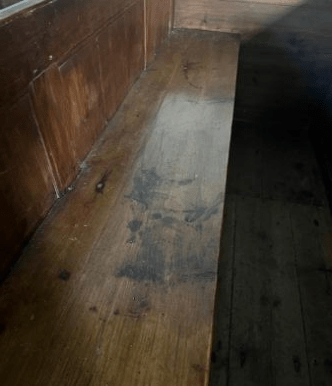
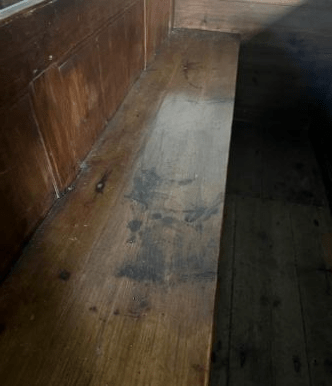
The blood stains on most of the pews remain visible today—a haunting testament to their work.
Forever Remembered as Part of the Greatest Generation After 72 relentless hours, advancing Allied forces finally relieved them. Moore and Wright rejoined their units and fought on through Europe. For their gallantry, both received the Silver Star. They are credited with saving at least 80 lives, including a young French girl.
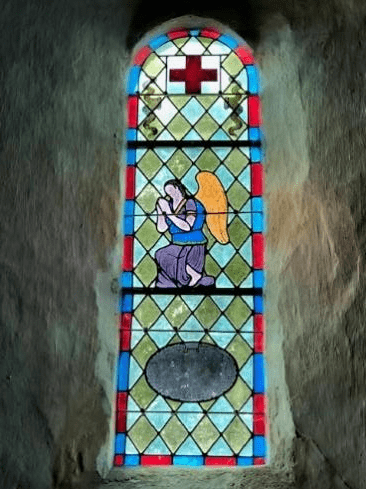
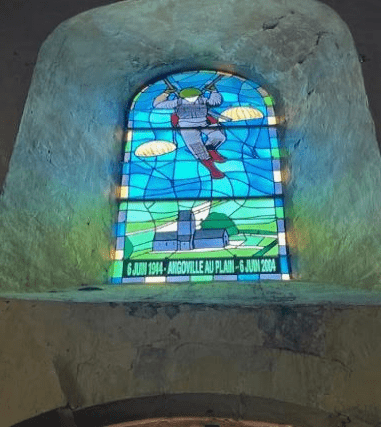
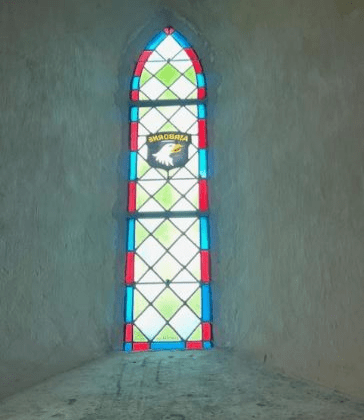
Post-war renovations added stained glass honoring the medics and the 101st Airborne—a beautiful tribute to mercy amid war.
Hope and Legacy This quiet church moved me more than any beach or cemetery. It reminds us that even in humanity’s darkest hours, compassion can endure.
Disclaimer: Advertisements may appear in this article or on the Ashley Creek Publishing website. This is not necessarily an endorsement of any product or service by the author or Ashley Creek Publishing, LLC.
Through this door in the chapel and up the stairs were two Germain snipers hiding in the bell tower
An Unexpected Surprise Two German scout-snipers had hidden in the church bell tower since the initial American drop. After two days—hungry, exhausted, and fearing discovery—they descended and surrendered to Moore and Wright. The surprised medics quickly put them to work collecting weapons and carrying litters.
Difficult Decisions and Resiliency With the church now a protected haven, Moore and Wright triaged the wounded: minor cases waited outside in shade; urgent ones came inside; the mortally wounded received morphine comfort behind the altar. A makeshift morgue formed outside.
At just 19, these young men made life-and-death calls. By evening, they had treated over 75 casualties. They worked nonstop for three grueling days.
The blood stains on most of the pews remain visible today—a haunting testament to their work.
Forever Remembered as Part of the Greatest Generation After 72 relentless hours, advancing Allied forces finally relieved them. Moore and Wright rejoined their units and fought on through Europe. For their gallantry, both received the Silver Star. They are credited with saving at least 80 lives, including a young French girl.
Post-war renovations added stained glass honoring the medics and the 101st Airborne—a beautiful tribute to mercy amid war.
Hope and Legacy This quiet church moved me more than any beach or cemetery. It reminds us that even in humanity’s darkest hours, compassion can endure.
Disclaimer Advertisements may appear in this article or on the Ashley Creek Publishing website. This is not necessarily an endorsement of any product or service by the author or Ashley Creek Publishing, LLC.