

By David A. Freel © David A. Freel, Ashley Creek Publishing, LLC – November 30, 2025 (updated March 2026)
Note: The characters Annabelle and Pete are fictional. Places and incidents either are the product of the author’s imagination or used fictitiously, and any resemblance to actual persons, living or dead, is entirely coincidental. The medical details and innovations are based on established and ongoing research and programs.
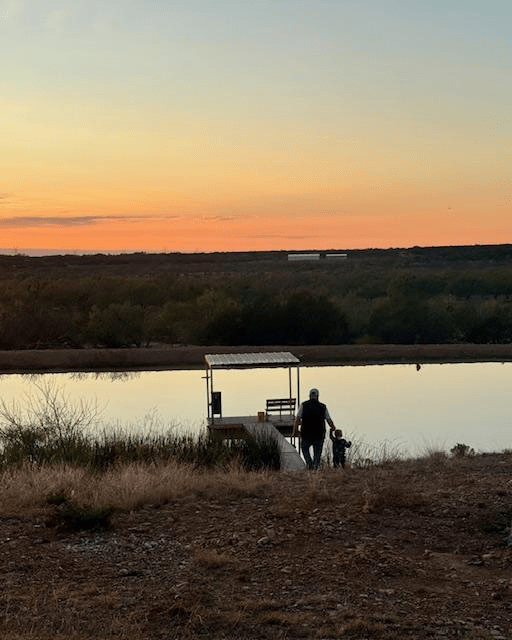
In 2015, 24-year-old Annabelle lived in Medina, a quiet rural town in South Texas. Life moved slowly there, the people were warm, and that’s exactly how Annabelle and her husband Pete wanted it. High school sweethearts who attended different colleges—Pete earning a geology degree from Texas A&M, Annabelle a teaching degree from UT—they returned home after graduation. Pete joined a small oil company, Annabelle substitute-taught at the local elementary school. They rekindled their romance, married just over a year earlier, and were thrilled to learn Annabelle was eight weeks pregnant. The news spread joyfully through family.
Two weeks later, they planned on driving to San Antonio for their first obstetric appointment and ultrasound—specialty care unavailable in their small town. That morning, Annabelle woke with mild abdominal cramps. The pain worsened, so they decided to head out early.
Pete showered and returned to find Annabelle on the sofa, weak and barely conscious. Her skin was cool and clammy; blood soaked through her pants. She slumped toward him, whispering, “Help me!” Panicked, Pete checked her neck—rapid pulse. Now unresponsive, he called 911.
Paramedics arrived in 15 minutes. Annabelle had a weak pulse and very low blood pressure. They started oxygen, monitoring, and an IV, but the 60–70-minute drive to San Antonio was too long. They requested an air ambulance, prepositioned nearby due to rural needs. It arrived in 15 minutes.
Soon after takeoff, alarms sounded—pulse lost. The flight nurse and paramedic began CPR and advanced life support. They fought valiantly, but Annabelle was lost before reaching the trauma center.
Autopsy confirmed an ectopic pregnancy: the embryo implanted in a fallopian tube instead of the uterus—a life-threatening condition that can cause massive internal bleeding.
How Could This Have Turned Out Differently? This tragedy highlights a critical gap: prolonged transport in rural areas leaves patients vulnerable to hemorrhagic shock. The solution traces back to battlefields in Afghanistan and Iraq, where devastating injuries caused massive bleeding far from care. Military medicine’s ethos—”leave no one behind”—drove innovation.
Early wars showed standard IV fluids (saline or lactated Ringer’s) diluted blood, worsening coagulopathy (clotting failure). Researchers focused on early hemorrhage control: better tourniquets, chest/abdominal interventions, and—crucially—replacing lost blood.
The Science of Whole Blood Blood has three key components: plasma (for clotting proteins and pressure), platelets (clot formation), and red cells (oxygen transport). Losing all three rapidly tips the body into failure.
Whole blood—containing everything in natural balance—outperforms fluids or partial components. Used since World War II (including direct donor-to-patient transfusions), it fell out of favor post-Vietnam due to screening concerns. But in the recent wars, prolonged evacuations revived it.
The “walking blood bank” program screened O-positive/negative donors pre-deployment, training medical personnel for forward transfusions. Results were promising: many lives saved closer to injury.
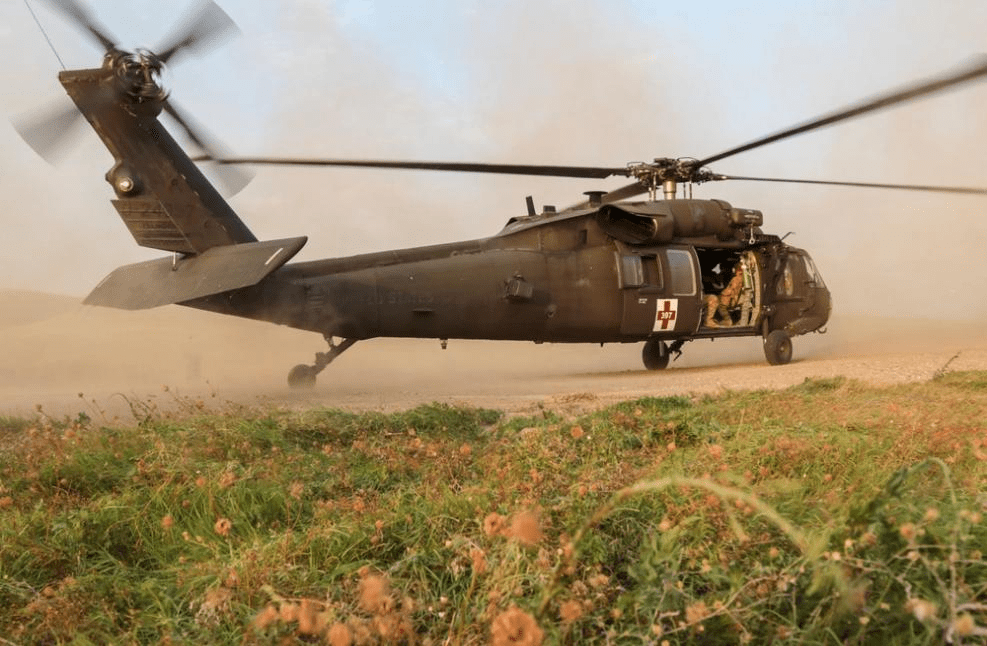
From Battlefield to Civilian Care Military data proved prehospital whole blood safe and effective, sparking civilian adoption—especially in rural areas with long transports.
The Southwest Texas Regional Advisory Council (STRAC) in San Antonio pioneered the nation’s first regional prehospital whole blood program in 2018, partnering with UT Health San Antonio, Brooke Army Medical Center, South Texas Blood & Tissue Center, and regional EMS (ground/air).
Challenges included temperature-controlled coolers, return protocols to avoid waste, portable warmers/infusers, and training. Today, STRAC continues leading, with Texas allocating $10 million in the 2026–2027 budget for statewide pilot expansion—targeting trauma, maternal hemorrhage (like ectopic), and more.
Nationwide, growth is accelerating: from only a handful in 2016 to ~300 ground EMS agencies by 2026 (although still <2% of total), per experts like Randall Schaefer, RN, DNP (retired Army Lt. Col., nationally recognized leader).
Prehospital Transfusion in Action Indications include trauma (amputations, penetrating wounds, pelvic fractures), and non-trauma like GI bleeding, ruptured aneurysms, post-surgical hemorrhage—and obstetric emergencies like ruptured ectopic pregnancy.
Equipment Innovations Portable tech keeps blood viable: coolers maintain temperature, warmers prevent hypothermia.
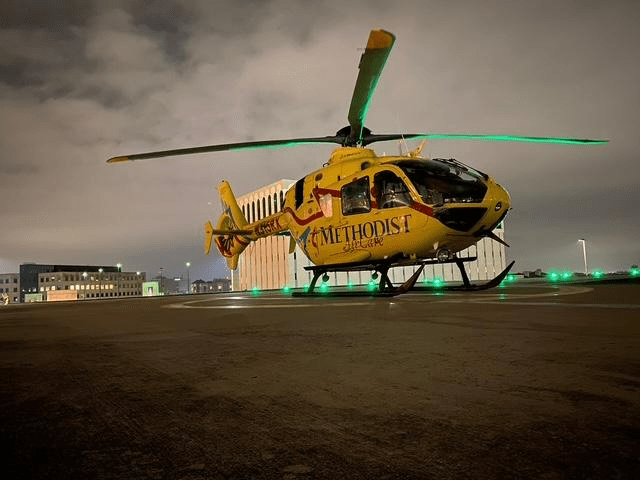
A Better Future Had rural paramedics or the air crew carried whole blood, Annabelle might have received early transfusion—buying precious time to reach the hospital. Today, she could have survived, returned home, and built the family she dreamed of with Pete.
We owe gratitude to our service members, military researchers, and pioneers like Lt. Col. (Ret.) Randall Schaefer—who asked, “Why can’t we?” and “How can we do better?” Their work is saving civilian lives.
With Texas’s new funding and growing programs, more rural patients will benefit. Thousands die yearly from survivable hemorrhage—prehospital whole blood offers hope.
Learn more: Prehospital Blood Transfusion Coalition (prehospitaltransfusion.org) or STRAC (strac.org).
Photo Credits UH-60 Blackhawk image public domain courtesy of DVIDS/Defense.gov. Other images were used with permission from Christopher L. Schaefer and L. Katherine Freel.
Disclaimer Advertisements may appear in this article or on the Ashley Creek Publishing website. This is not necessarily an endorsement of any product or service by the author or Ashley Creek Publishing, LLC.
